Free podcast hosting removes one recurring cost from launching a show. A capable free host stores your episodes and creates a podcast RSS feed you can submit to listening apps. What differs is where each plan stops: total storage, episode count, video distribution, analytics depth, or how ads and revenue share work.
This guide compares four free podcast hosts using each provider’s official pricing and help docs, checked on August 11, 2026. RSS.com is another lasting free audio option covered in the broader podcast hosting platforms comparison. If you already need private feeds, broader video support, memberships, or a real website on your own domain, start there instead.
Free podcast hosting platforms compared
| Platform | Main free allowance | The catch | Best fit |
|---|---|---|---|
| RedCircle | One podcast with unlimited episodes, storage, bandwidth, and downloads | One show, standard analytics, and revenue share when RedCircle sources monetization | An audio show that needs a lasting free home |
| Podbean | Five hours of total audio storage and 100 GB monthly bandwidth | Storage does not reset, only 20 episodes appear in the RSS feed, and the tier is audio-only | Testing a short show before upgrading |
| Spotify for Creators | Unlimited audio and video uploads with free hosting | Video stays on Spotify, and monetization depends on eligibility and market | Spotify-first audio or video creators |
| Acast | One podcast with up to five episodes and unlimited listener downloads | A credit card is required, and publishing beyond five episodes needs a paid plan or eligible ad-marketplace participation | A limited series or an early test of Acast |
Limits change, so confirm the linked official source before moving an established feed.
1. RedCircle
RedCircle’s Core plan is the strongest long-term free option here for a public audio podcast. It supports one podcast with unlimited episodes, storage, bandwidth, and downloads, plus distribution to Apple Podcasts, Spotify, Amazon Music, and other major apps.
Core also includes standard analytics and optional monetization: listener donations, exclusive subscriber content, and RedCircle’s ad platform once a show hits 500 weekly downloads. RedCircle does not force ads into a show. When it sources revenue for you, its published share is 4.5% of tipping revenue and 30% of the ad revenue it sources. Cross-promotion, advanced analytics, multiple podcasts, transcripts, and one-click YouTube publishing sit on paid Growth or Pro plans.
Sources: RedCircle’s account plan guide, pricing page, and free hosting explanation.
Pick RedCircle when the show needs an unlimited public feed and you are fine keeping advanced production tools elsewhere.
2. Podbean
Podbean’s Basic plan is free, but the five-hour allowance is total storage, not a monthly upload bucket. Podbean equates that to 500 MB, and it does not reset. You also get 100 GB of bandwidth each month, a basic podcast website, an embeddable player, basic statistics, and an RSS feed.
Publishing limits are tighter than they look. Free accounts can publish up to three episodes per day, each file can be no larger than 100 MB, the RSS feed shows up to 20 episodes, and uploads are limited to MP3 and M4A audio. There is no video hosting on free. Podbean’s terms also allow ads in free-hosted content without sharing that revenue with the creator, and once an account moves to a paid plan it cannot later return to free.
Sources: Podbean’s Basic Free plan guide, pricing page, and podcaster terms.
This plan fits a trailer, a short limited series, or learning the publishing process. A weekly show will hit the fixed storage ceiling even if the audience stays small.
3. Spotify for Creators
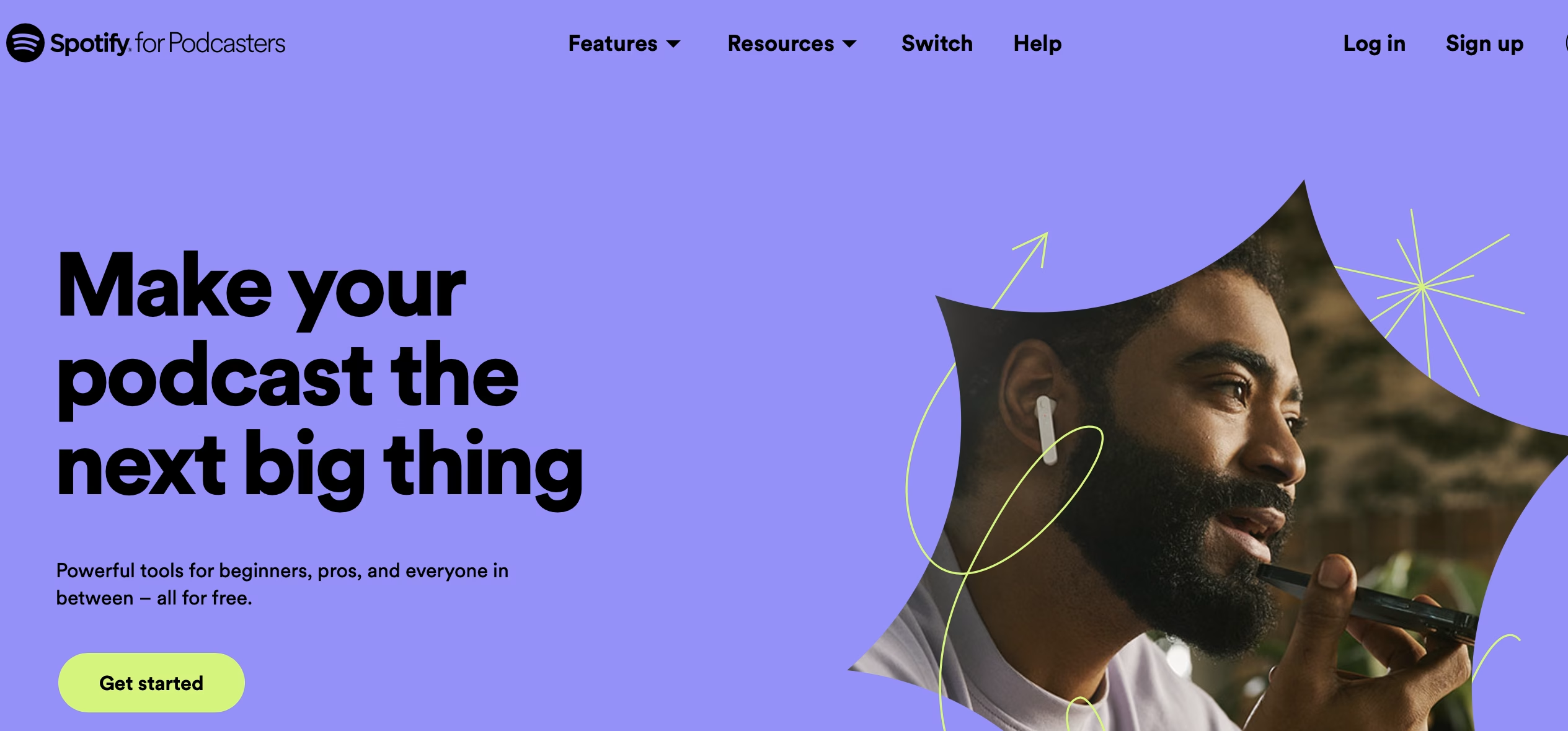
Spotify for Creators offers unlimited free hosting for audio and video episodes. Hosted audio can reach other podcast apps through RSS. The full video version stays on Spotify. That split is useful if you want to try video without a separate hosting bill, and less useful for a branded video podcast that needs to live on your own site.
The platform includes analytics, comments, and Spotify-specific audience tools. Free hosting does not guarantee monetization. The Spotify Partner Program has audience, publishing, consumption, country, and policy requirements. Eligible audio and video creators can earn ad revenue, and eligible video creators may also earn Premium video revenue in select markets.
Sources: Spotify’s podcast hosting page and host migration page.
Choose Spotify for Creators when Spotify is the main video destination. Compare full website and video options before treating it as the permanent home for an independent brand.
4. Acast
Acast’s Starter plan hosts one podcast with up to five episodes and unlimited listener downloads. It includes an RSS feed, distribution to podcast apps, a basic non-customizable website, Podcastle recording and editing, and analytics.
Five episodes is a hard publishing limit unless you change the arrangement. Acast offers two routes to unlimited episodes: a paid plan, or opening the show to its advertising marketplace when eligible. Marketplace participation means Acast can place advertiser campaigns in the podcast. Creating a free Starter account also requires a valid credit card. Acast says the card is for security verification and will not be charged while you stay on the free plan.
Sources: Acast’s Starter plan guide, pricing page, and credit card explanation.
Acast works for testing the platform or publishing a very short series. A continuing show should budget for a paid plan or accept the advertising condition.
When to upgrade from free podcast hosting
Free hosting is enough when the job is publishing a public audio feed. Upgrade when a limit interrupts the schedule, when monetization only works through someone else’s ad marketplace, or when the show needs a website that does more than list episodes.
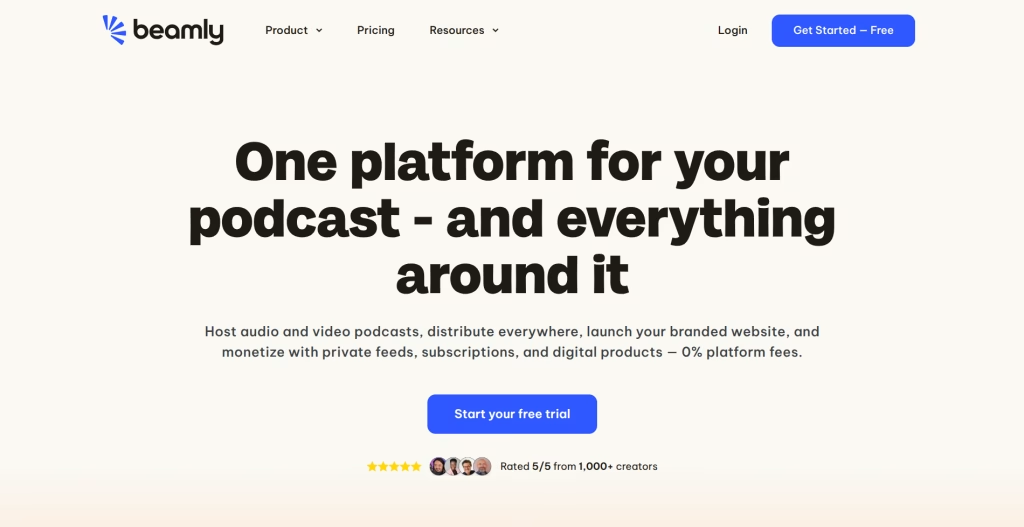
A host’s free show page is not a complete site. Growing shows usually need a custom domain, flexible landing pages, searchable transcripts, email capture, and room for content beyond the RSS feed. Beamly’s podcast hosting combines hosting or RSS import with a customizable website, podcast analytics, AI transcripts and show notes, memberships, private feeds, and digital products. Beamly offers a 14-day free trial rather than an ongoing free plan. It replaces the usual mix of separate host, website builder, membership service, and private podcast tool.
The drawbacks of free podcast hosting
Each free plan stops at a different point. Podbean caps total stored audio and RSS visibility. Acast caps episodes. RedCircle caps the account at one show and reserves growth tools for paid plans. Spotify keeps video inside Spotify and gates monetization by eligibility.
Revenue terms matter as much as storage. RedCircle takes a share when it supplies monetization. Podbean may place ads in free-hosted content without creator revenue. Acast can remove the episode cap when an eligible show joins its marketplace. Read the current terms before uploading a back catalog, and confirm how to export files, redirect the RSS feed, and keep analytics access. A clean migration path matters more than a long feature list.
Hosting vs listening apps
Hosts store your audio and generate the RSS feed. Listening apps are where the audience subscribes and plays episodes. A show needs both. Picking a popular listening app does not remove the need for an RSS host.
Conclusion
RedCircle offers the most generous lasting free audio allowance of these four. Spotify for Creators is the clear free choice for Spotify-first video. Podbean and Acast work better as constrained starting tiers because a continuing show can hit their limits quickly.
Choose based on the first constraint you are likely to reach. When that constraint is the website, private content, or memberships rather than file storage, Beamly podcast hosting can host the show or sync the existing RSS feed. Beamly is a 14-day trial, not a free host.