When you create a podcast, you might not think about optimizing it for podcast platform search and regular search engines. However, getting your content to rank higher in search results is critical for growing your show. When you start optimizing your podcast keywords, you could potentially reach more people and find more listeners.
Fortunately, you can use keywords to boost your online presence. By researching relevant search terms and using them strategically in your episodes, you can drive more traffic to your podcast and reach more listeners.
In this post, we’ll discuss why keywords are important and show you how to find the right ones for your show. Then, we’ll look at Podcast SEO and three ways you can leverage keywords into your content to succeed both on podcast platforms and search engines. Let’s get started!
Why Keywords Are Important for Your Podcast
Podcasting is a saturated market with 3-4 million shows worldwide. That means you’ll need a strategic plan to get your show noticed. Besides searching the podcast platforms (like Apple Podcasts and Spotify), people also use the internet to find shows and so having a strong Search Engine Optimization (SEO) plan will help get your content rank higher both organically and on podcast directories.
While some listeners find podcasts by searching for hosts and brands, others use keywords. Keywords are terms and phrases that users type into search queries to find information on particular topics. Therefore, incorporating keywords into your content is critical for improving your podcast SEO.
Moreover, since Google can crawl audio, your podcast may appear in relevant search results. Thus, using relevant keywords enables Google to crawl and index your show.
By implementing a keyword strategy, you can grow your audience and build a community around your show. When your show becomes a brand, you’ll have more monetization opportunities, like sponsorships and advertisements.
How to Find Keywords for Your Podcast
You can find and analyze relevant search terms through keyword research. Start by brainstorming topics and ideas based on your niche. For instance, if you host a lifestyle and wellness podcast, keywords might include “morning routine,” “circadian rhythm,” or “mental health.”
Additionally, choosing long-tail keywords can help your episodes stand out. For instance, instead of “morning routine,” you can target “5-minute morning routine” or “6 am morning routine.” Since they’re more specific, these keywords may help your show rank higher.
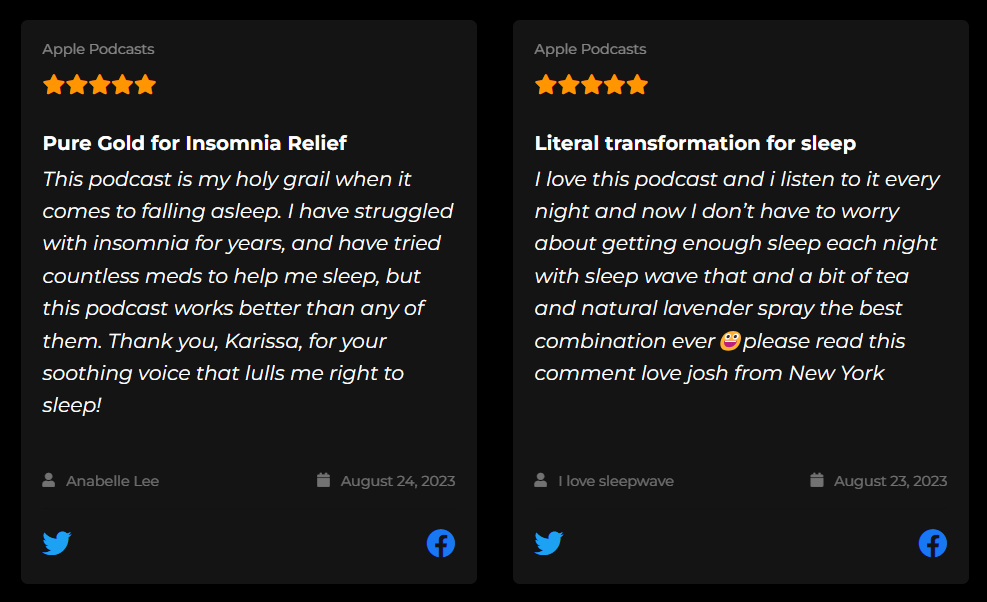
Your listeners are a great resource for finding keywords. By reading their reviews, you can find keywords you probably didn’t think about, like “insomnia relief” if you cover health and wellness:
You can also use a tool like Google Keyword Planner to discover relevant search terms:

With this tool, you can view key metrics such as average monthly searches. Plus, you can look at keyword difficulty to learn how competitive it is to rank for certain terms.
Ideally, you’ll want to aim for keywords with a decent volume of monthly traffic (min. 500 searches) and low competition.
How to Improve Your Podcast SEO with Keywords (3 Ways)
Once you identify your target keyphrases, it’s important to incorporate them throughout your episodes. Let’s look at three effective ways to use keywords.
1. Maximize Podcast Metadata
Although Google can crawl your audio files, it’s still important to add keywords to your show name, podcast description, and any text that accompanies your episodes.
For instance, The Vertical Space podcast optimizes their episode titles and show notes to include their target keywords:

They also include transcripts of their episodes with timestamps that link to corresponding sections. By transcribing episodes, you can improve accessibility and give search engines more text to crawl.
2. Create a Podcast Website
A podcast website not only provides a home for your show but also gives you various opportunities for improving its rankings. When you launch a website, you’ll want to make sure to follow SEO best practices and include keywords in your domain, URLs, page titles, headings, alt-text, media descriptions, and page copy.
Starting a blog with a regular posting schedule can be an effective way to target different keywords and produce fresh content for your website. For example, The James Altucher Show uses a blog to summarize their weekly episodes:

A blog gives search engines more content to crawl while providing accessible resources for people who would rather read highlights than listen to episodes. For example, users with hearing impairments may prefer to read about the topics that were covered in the podcast.
Fortunately, Beamly.com comes with a user-friendly builder that enables you to create and launch a podcast website in minutes. Plus, you’ll get built-in SEO tools like keyword analysis, which enable you to optimize your content and rank higher on search results.
3. Optimize Social Media Profiles
Social media is a great tool for engaging with your audience and teasing new content. Plus, you can add keywords across your social profiles to reach new listeners.
While adding keywords to your handle and bio is important, you’ll also want to include them in your captions, sub-titles, hashtags, and alt text:

By creating engaging posts and optimizing them with keywords, you can boost your show’s visibility on social platforms. For example, users who browse content with a relevant hashtag or search term on Instagram or Facebook may come across one of your posts.
Remember to include links to your episodes. This way, anyone reading your posts can check out your podcast page or listen to your episode to learn more about the topic being discussed.
Conclusion
Strategic SEO can boost your online presence and expand your audience. When you incorporate keywords in your content, you can build a strong brand and take your podcast to the next level.
It’s important to remember that podcast keywords can affect your show on multiple levels. First, when people search a certain term on podcast directories or platforms (like Apple Podcasts and Spotify). Using the right keywords for your episodes titles, show notes, and podcast description can help immensely. Ranking high on these platform is key to success.
Additionally, getting the right keywords and get better positioned on search engines is the real bonus here, since ideally your website would be featured at the top of the page, and that can help reaching a whole new crowd of potential listeners.
To recap, here are three ways to improve your podcast SEO with keywords:
- Incorporate them in your show’s metadata.
- Create a podcast website.
- Optimize your social media profiles.
Boosting your rankings is easy with Beamly. With automatic sitemaps and super-fast page speeds, you can design an optimized website for your podcast. Get started today!