Choosing a name is one of the highest-leverage decisions you make when launching a podcast. It shapes first impressions, affects discoverability across podcast apps and search engines, and becomes part of your long-term brand equity. Renaming later is possible, but it usually costs momentum and creates avoidable confusion.
A strong podcast name does not need to be clever. It needs to be clear, distinctive, and easy to repeat. This guide focuses on that standard so you can choose once and move forward with confidence.
Need a quick list of ideas? Try the free podcast name generator.
What Makes a Good Podcast Name
No single formula works for every show, but strong podcast names usually share a few traits.
Most successful podcast titles come in at under 29 characters. Short names are easier to remember, easier to share in conversation, and far less likely to get clipped in podcast app feeds. Think of titles like Criminal, Ear Hustle, or Pod Save America – they are punchy and instantly recognizable.
With well over 4 million podcasts out there, there is a real chance that your first choice is already taken by someone else. A unique name ensures complete ownership over your intellectual property and prevents listener confusion. It also helps with podcast SEO, since you will not be competing with an established show for the same branded search term.
Choosing the right name
A generic name like “The Coffee Podcast” might blend in with dozens of similar titles. Names that use wordplay, unexpected phrasing, or a clever reference tend to stick in people’s minds more easily. National Park After Dark and Revisionist History are great examples of titles that are both descriptive and memorable at the same time.
One thing that is easy to overlook – try saying the name out loud a few times. You will likely repeat it at the start and end of every episode, and your listeners will need to recommend it by word of mouth. If the name is awkward to pronounce, hard to spell, or difficult to say with confidence, it could become a real bottleneck for growth.
Having a term related to your topic in the name gives you a natural SEO advantage, both in search engines and podcast directories. Fantasy Football Today and Planet Money are titles where the keyword is baked right in. That said, cramming multiple keywords into the title will make it feel spammy, and some platforms may even reject it. One or two well-chosen keywords are plenty. You can always use your podcast description to capture additional search terms.
Finally, unless an acronym is universally known (think NASA or DIY), avoid abbreviations in your title. They are easy to misremember and hard to search for. The simpler and more direct the name, the better it works for word-of-mouth referrals and overall discoverability.
Different Naming Strategies
Most podcast names fall into four lanes, and choosing your lane early helps you make faster decisions.
Creative names are memorable and distinctive, but they still need enough context for a first-time listener to understand the topic. Descriptive names are easier to rank and easier to grasp at a glance, which is why they are often the strongest starting point for newer shows.
Brand-led names work best when the podcast is tied to a company, product, or known media property. Host-name titles usually perform well only when the host already has audience pull.
If you are stuck between options, use a simple tie-breaker: pick the name a stranger can hear once, spell correctly, and remember the next day.
One thing to watch out for: some podcast platforms may reject titles where a name is simply appended to a generic term (like “Coffee Podcast with Jane Doe”). Integrating the name naturally into the title – “The Jane Doe Coffee Show” – tends to work better and avoids potential rejection.
Know Your Target Audience
Your podcast name should resonate with the people you actually want to reach. Before settling on a title, spend some time thinking about your ideal listener. Consider their age range, interests, the kind of language they respond to, and the communities they already belong to.
A show targeting horror fans, for example, might reference a genre trope. Last Podcast on the Left might be a nod to the horror film The Last House on the Left, and that reference immediately signals to the right audience that this is their kind of show.
Your target listener profile also helps clarify your podcast niche. A podcast cannot be all things to all people, and its name should reflect that focus. Whether you take an evocative approach like 99% Invisible or a very direct one like Not Another D&D Podcast, the title needs to speak to the right crowd and help your show stand out in the market.
Use the Right Tools to Find Naming Ideas
Tools are useful, but they work best after you build a rough shortlist. A practical approach is to draft 15 to 20 raw options first, then remove any title that fails three tests: hard to pronounce, too similar to an existing show, or too narrow for where the podcast might expand.
After that, use an AI-based podcast name generator to create variations, not final answers. It is a fast way to explore different wording patterns once you already know your direction.
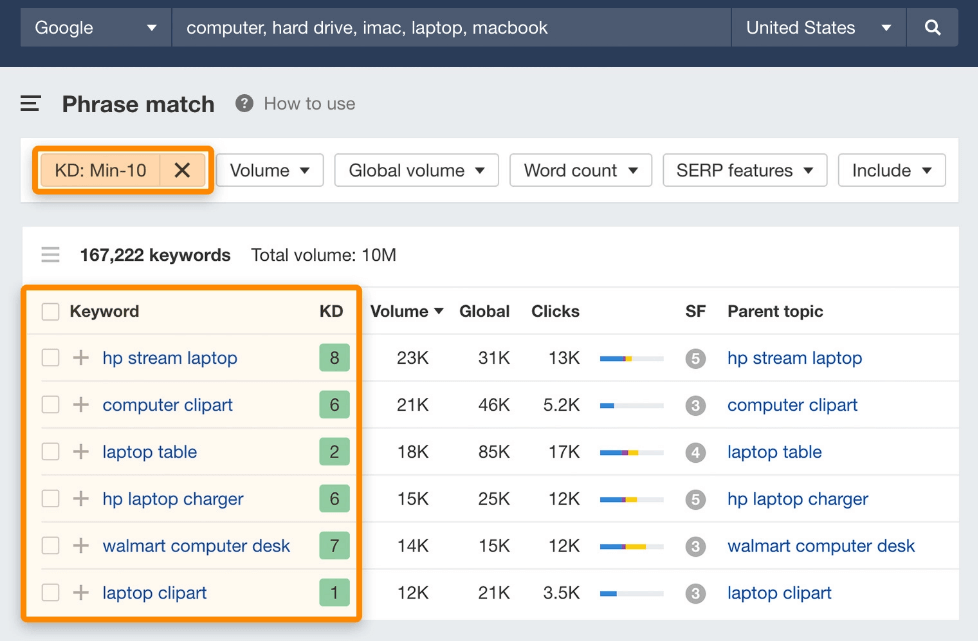
If SEO matters from day one, validate one core keyword with tools like Semrush or Ahrefs. You are not trying to stuff terms into the title. You are checking whether your wording matches real search behavior in your niche.
Beyond software, get live reactions from people in your target audience. If they can immediately tell what the show is about and recall the name later, you are usually close.
Check Availability Before You Commit
Once you have a few strong contenders, run a quick validation loop before committing. You need to verify that your chosen name is actually available across the places that matter.
Start by typing the name into Google and seeing what comes up. If the first page is dominated by major brands or well-known entities, you will have a hard time standing out with that same term. Adding “podcast” to the search can give you a clearer picture of the competitive landscape specifically within podcasting.
Next, open Apple Podcasts, Spotify, and other directories you plan to distribute on, then search for the name. If there is an exact match or several titles that are very close, it might be worth going back to the drawing board. Standing out in directory search results matters, especially for new shows trying to build traction.
You will also want to check that a matching domain is available for your podcast website, along with consistent handles across social platforms like Instagram, X, and TikTok. Having the same name everywhere makes it much easier for listeners to find and follow you.
Two additional calls matter here. Including the word “Podcast” in your title is perfectly fine, but it can feel redundant over time – especially once listeners already know they are subscribed to a podcast. If leaving it out does not hurt clarity, it is often the cleaner choice. And if you are thinking about using expletive or edgy language, be aware that some platforms will reject shows with explicit terms in the title. A play on words or a subtle reference often works just as well without limiting your reach.
What If Your Ideal Name Is Already Taken
This happens more often than you might expect. The names that feel perfect are usually the first ones someone else thought of too. But a taken name does not always mean you have to abandon the idea entirely.
If an inactive podcast – one with no new episodes in a year or more – is using the title you want, it can be worth reaching out to the owner to see if they would be willing to release or change the name. The odds are not high, but it has worked for some podcasters, so it does not hurt to try.
More realistically, this is where creativity comes in. Revisit your shortlist, try different combinations, add a twist, or change the phrasing slightly. Having a handful of backup names ready from the start makes this process much less stressful and helps you avoid settling for a name you are not fully happy with.
Getting Started with Your Podcast

Once the name is locked in, you are ready to build around it. Beamly is an all-in-one platform designed for creators to build, publish, and monetize podcasts – along with video, blog, and course content – all from a single website. You can import your podcast from any RSS host, set up your site in minutes with no coding, and connect a custom domain that matches your new show name.
Beamly also includes built-in SEO tools, AI-powered transcripts and show notes, membership features with 0% platform fees, and a customizable audio player. Everything you need to turn your podcast into a growing brand, all in one place.
Conclusion
Your podcast name is one of the few decisions that compounds for years. Take extra time upfront, run the validation loop, and choose a title that is clear, distinctive, and easy to share across search, podcast apps, and conversation.
A strong name will not guarantee success on its own, but a poorly chosen one can hold you back. When you choose the right name, it will most probably serve your podcast well for years to come.