
Podcasting can be a time-consuming process that may even become draining at times. If you’ve been doing it for a while, and put a lot of pressure on yourself releasing new episodes with fresh content, it might take a toll at some point. What’s more, the pressure of consistently recording, producing and publishing new episodes may cause you to forget about your previous enthusiasm for podcasting.
The good news is that there are ways to avoid podcast burnout and keep your passion alive. Sometimes, it can be as simple as reassessing your goals or reevaluating your schedule. Other times, it might require you to offload some responsibilities or switch up your episode format.
In this post, we’re going to share five excellent tips to help you avoid falling into a podcasting slump. Let’s get started!
1. Evaluate Your Current Schedule
Often, if you’re feeling burnt out or uninspired, it might be the case that you’re doing too much. Do anything for too long and the novelty eventually wears off.
Maybe you’ve been concentrating your efforts on producing a certain number of episodes every month. After all, consistency is a great way to grow your audience.
But on the topic of consistency, it’s more important to make sure the quality of your content stays the same rather than prioritizing quantity. Think about your favourite creators.
I’m sure you’d rather receive one super engaging episode every two weeks, instead of a weekly episode that isn’t very entertaining. With this in mind, take a look at your current schedule and consider whether or not it’s sustainable.
If you decide to adjust your content output, you can always increase it further down the line once your situation changes. You can even consider creating episodes in batches – although this only works if your content doesn’t rely on current events.
Let’s say you’d ideally like to publish a new episode each week. You might take 1-2 days at the start of the month to record all your episodes. Then, you can edit the content just before you need it to make your workload more manageable.
2. Share Responsibilities
Podcasting is a job that requires you to wear lots of different hats. First off, you need to come up with new podcast ideas and topics constantly. Then, one day you’re writing podcast outlines, and the next you’re recording, editing episodes, or promoting content on social media.
Therefore, one of the most obvious ways to cut down on your workload and avoid podcast burnout is to delegate tasks. This might mean recruiting a co-host (which could split your current responsibilities in half).
But, there are also smaller steps you can take. For example, you could dedicate certain episodes to guest takeovers which have the added benefit of attracting more listeners:

Or, you’ll find that more established shows outsource tasks like production to freelance professionals.
Another way to reduce your workload is to hire a virtual assistant. This way, you can concentrate on the creative side of podcasting while the assistant takes care of routine tasks like scriptwriting, transcribing, scheduling, and more.
You can also join podcast networks and take half-a-step back on distribution/marketing as the network can improve your podcast advertising efforts.
3. Switch Up Your Format
Performing the same tasks every week can quickly become tedious. If a tired podcast production process causes you to slip into a rut, your content might start to feel stale and repetitive.
That’s why it can be a good idea to switch up the format of your show. If you typically publish conversational episodes with a co-host, you might invite podcast guests and conduct interesting interviews.
If you want to take this a step further, you might even launch an entirely new mini series on a specific topic that interests you:

This way, you can rediscover that initial excitement you felt when you first started your podcast.
Or, you might record video episodes which you can publish on platforms like YouTube. This opens up your show to a whole new audience and presents a great opportunity to diversity your content.
4. Automate!
With so many repetitive tasks, you might find yourself in a hole. It’s always great to automate as many steps of your process as possible, as this can make your journey much easier.
There are a bunch of services that’ll automate editing for you, some can create transcripts automatically, and so on. Besides content and production, publishing is key for your podcast’s success and creating a podcast website can rocket launch your show to the next level.
Creating a website might sound like a daunting task, but with Beamly.com, things would be easy and fully automated. The website instantly connects to your podcast RSS feed and imports all existing and future episodes. It also imports your reviews, subscribe/follow buttons, or even YouTube videos automatically.
Furthermore, it gives a bunch of marketing automation opportunities – you can automatically post new episodes on social media, and set other types of automations every time a new episode is released.
A website can help you improve podcast SEO since you can incorporate relevant keywords in written content like web pages, blog posts, and metadata. In turn, you can boost visibility in the search results and drive more organic traffic to your site.
Your listeners could contact your directly or leave voicemail messages on the site, and guests (or potential ones) could fill out intake forms to be part of the show.
Lastly, certain monetization strategies are easier to manage once you have a proper website, so it’s really a no-brainer.
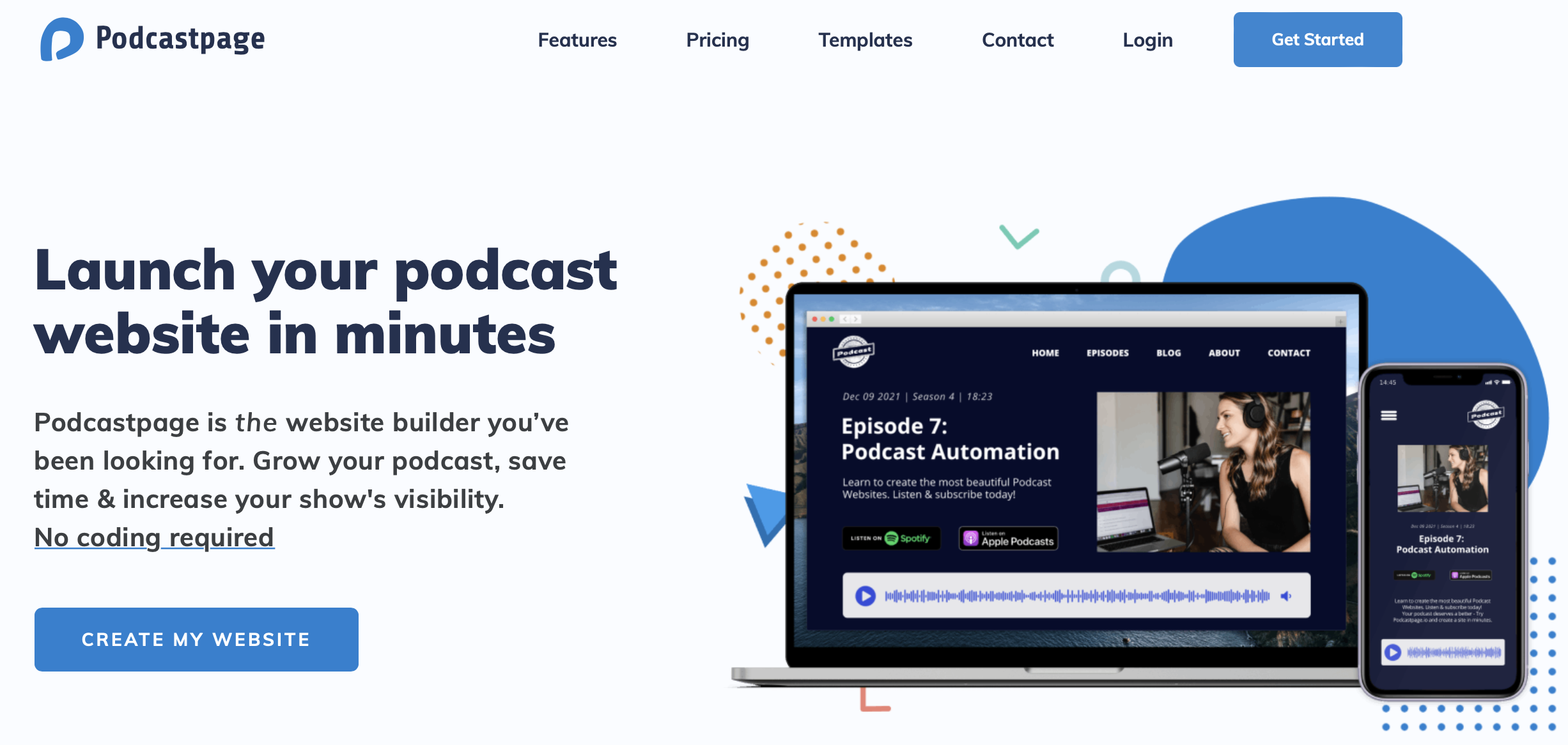
Beamly is a beginner-friendly website builder that comes with beautiful pre-made podcast templates. It has a ton of features and automations specifically created around podcasting:
5. Ask for Feedback
If you feel as though you’ve fallen into a serious rut with podcasting, another great way to reduce the risk of burnout is to reach out to your listeners for feedback.
For starters, they might have noticed a drop in quality if you’re feeling stressed or uninspired, and they may remind you of the aspects of your show they used to love. This could help motivate you to re-infuse your show with elements of its original character.
Alternatively, you might find that you’ve been beating yourself up over nothing. For example, you might be worried about your audience’s reaction to switching from weekly episodes to bi-weekly episodes, only to find out that it’s no problem at all.
You can post polls and surveys on social media. Or, if you have a podcast website, you can add email opt-in forms to your pages and send questionnaires to listeners via email. You can even ask your site visitors to leave their thoughts in the comments section.
To give you an idea, it can be useful to ask listeners which podcast topics they want to hear about. You could also ask them to weigh in on the merits of launching a new series. Or, just request feedback about their favourite episodes to date.
Conclusion
While podcasting can help you build an online following, share your passion, and make some extra money, it can be more challenging than you think. With so many tasks to handle, it can be a time-consuming process that doesn’t always feel like it offers enough rewards.
To recap, here are five ways to avoid podcast burnout:
- Evaluate your current schedule.
- Share responsibilities.
- Switch up your format.
- Automate.
- Ask for feedback.
A podcast website can be a great way to diversify your content and engage with your listeners. With Beamly, you can access beautiful templates and design your pages visually. Sign up for free today!